คุณปฏิบัติต่อกระดูกหักในเด็กอย่างไร?
ฝากข้อความ
คุณจะรักษากระดูกหักในเด็กได้อย่างไร?
When a child complains of pain to a parent, the parent can't think that it's okay because they can walk on their own, or that there is no fracture because the joint can move. Children's fracture can't be judged by this. If the child feels pain when you touch it, or if the child cannot put his weight on a certain place, these symptoms should indicate that the child has a fracture somewhere on the body and should be taken to the hospital immediately. Babies especially need attention because when a fracture occurs, there may be little swelling in them, and they may not complain to you about pain in the area of the fracture.
กระดูกหักในเด็กส่วนใหญ่เกิดจากการหกล้มหรือหกล้ม การแตกหักของแขนขาบนบริเวณข้อศอกและปลายแขนคิดเป็นประมาณครึ่งหนึ่งของกระดูกหักทั้งหมดในเด็ก ตามด้วยกระดูกไหปลาร้าและน่องหัก กระดูกที่กำลังเติบโตนั้นยืดหยุ่นได้ และมี-กระดูกหักเฉพาะในเด็ก เช่น กระดูกหักเหนือศีรษะของลำต้นและต้นอ่อนหัก และการแตกหักของกระดูกอ่อนที่อยู่บริเวณรอบข้อ (การแตกของกระดูกอ่อน epiphyseal) ซึ่งมีกระดูกอ่อนที่กำลังเติบโตที่เปราะบางทางกลไก
การแตกหักในเด็กอาจเกิดจากสาเหตุหลายประการ และสิ่งสำคัญคือต้องวินิจฉัยให้ถูกต้องตามลักษณะของกระดูกหักในเด็ก การวินิจฉัยที่ไม่ถูกต้องจะนำไปสู่การรักษาที่ไม่เหมาะสมซึ่งส่งผลเสียร้ายแรงต่อผู้ป่วย บริเวณที่ปวดจะคาดคะเนได้โดยการตรวจและสังเกตอย่างละเอียด คลำน้อยที่สุด ยืนยันตำแหน่งที่แตกหัก และฉายรังสีเอกซ์เพื่อยืนยันการวินิจฉัย อย่างไรก็ตาม ควรสังเกตว่าฟิล์มรังสี X-ที่ถ่ายทันทีหลังจากการบาดเจ็บไม่สามารถยืนยันการแตกหักได้ มีการเสียรูปพลาสติกเฉียบพลัน เส้นแตกหักไม่ปรากฏในการดัด และการแตกหักอาจมาพร้อมกับ ความคลาดเคลื่อนร่วมกัน เนื่องจากกระดูกอ่อน epiphyseal หรือภายใน-การแตกหักของข้อต่อเป็นเรื่องยากที่จะวินิจฉัย จำเป็นต้องถ่ายภาพไม่เฉพาะด้านที่สงสัยว่าจะแตกหัก แต่ยังรวมถึงด้านที่แข็งแรงด้วย หรือแก้ไขด้วยปูนปลาสเตอร์ และใช้ X{ เป็นประจำ {3}}การสังเกตด้วยรังสีก่อนทำการวินิจฉัย
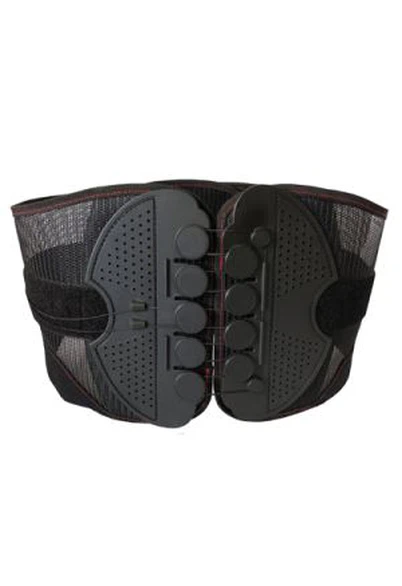
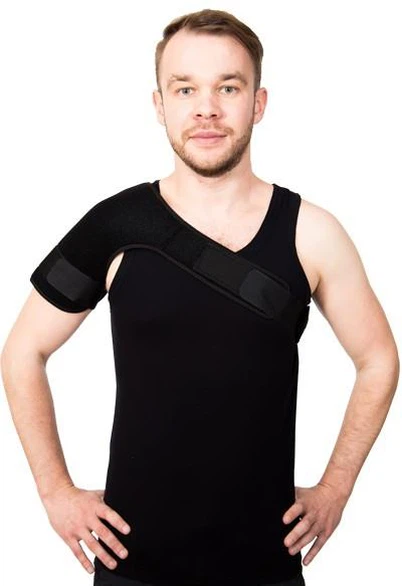
The treatment methods for children's fractures include conservative treatment and surgical treatment, and the treatment method is mainly selected according to the X-ray findings. Since self-correction is possible with all but periarticular fractures, it is usually treated conservatively with manual reduction. Make sure there is no vascular or nerve damage, and use a cast, splint, drape, or other external medical orthopaedic brace for immobilization. Because bones heal easily during the growing period, they will stabilize in about 1 to 2 months. If the deformity or fracture separation persists after reduction, there is no cause for concern if the condition is mild. High self-correction is a characteristic of fractures in children. For fractures around unstable joints and for larger dislocations, hospitalization with continuous traction or percutaneous puncture may be performed.